

Must-read classic novels for first-time readers
For those who are going to read novels for the first time, you can enter with must-read classic novels. Featuring a diverse group of books, these classics fit a range of genres and styles to introduce the canon to first-time readers. All of the novels on this list helped to shape how we tell stories, and if you are a new reader trying to fill a gap in your reading, or rereading one of these novels will be like returning home. These are classics of another kind— spanning literary giants to readable mind expanders — and together, they make for a complete must-read classic experience.
Must-read classic novels for first-time readers

1. To Kill a Mockingbird By Harper Lee
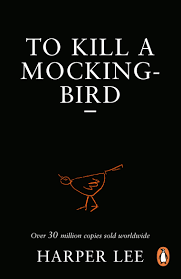
Genre: Southern Gothic, Coming-of-Age
Themes: Racial injustice, Morality, Compassion
Why Read: This book deals with some strong social issues, but it is written through the voice of a child and is very relatable. Touchstone The moral compass of literature, it was Atticus Finch.
Overview: To Kill a Mockingbird (Set in a small-town Maycomb, Alabama during the 1930s) won The Pulitzer price. Narrated by young Scout Finch about racial injustice, moral growth and social inequality. A book which is as much a brutal exploration of how systemic racism can be rooted within a community.
2. Pride and Prejudice by Jane Austen
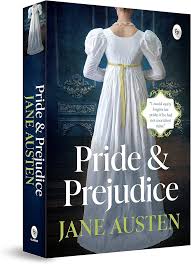
Genre: Romantic fiction, Satire
Themes: Social class, Love, Marriage
Reason to Read: Everyone should read some Austen (in my opinion) 🙂 – her wit, plus the relationship between Elizabeth Bennet and Mr. Darcy is such a classic
Overview: Culture: A romantic novel by the English author Jane Austen Pride and Prejudice depicts the life of early 19th-century England, focusing on the intricate interchange between society classes. This insight looks at Elizabeth Bennet, one of five sisters and the journey she goes on to try to balance societal norms, family pressure and her own development. The novel is centred on concepts of love and marriage, social status, judgmental bias, the ills of judging others wrongly.
Upon first meeting the wealthy, seemingly arrogant Mr. Darcy, Elizabeth takes an immediate disliking to him only to find out she may have been wrong about her initial impressions after all. Some of the playwrights wicked dialogue and social commentary serve as sharp reminders of the ever-present struggle between love and societys demands.
3. 1984 by George Orwell
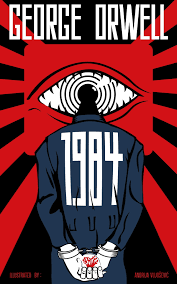
Genre: Dystopian; Political Fiction
Themes: Totalitarianism, Surveillance, Freedom
Why Read: A chilling look at the future dystopian scenario amid mass surveillance; with ways information control.
Overview: 1984 is a near inscriptional novel set in an imagined totalitarian society ruled by the Party, under the dictatorship of Big Brother. Winston Smith is a low ranking party member who secretly loathes the oppressive regime that dictates every aspect of his life. The Party exercises many tools to secure and uphold its power, such as surveillance, propaganda and psychological manipulation. Winston searches for truth and rebellion through forbidden love and resistance, causing dire results. It is a novel concerning themes of totalitarianism and censorship, and the way the lack of individuality has destroyed society.
4. Moby-Dick by Herman Melville
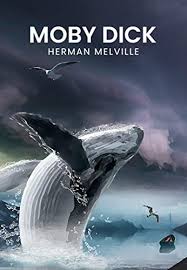
Genre: Adventure, Philosophical fiction
Themes: Obsession, revenge, human nature
Why Read: It might be dense, but this book offers a reflection on humanity in the universe and the meaninglessness of obsession.
Overview: Moby-Dick, Ahab’s wife known for his chivalrous cruises zeen-seeking have been humiliated by him. Narrated by a sailor on board the Pequod called Ishmael we get an insight into the crew, life at sea and nature of Ahab’s revengeful pursuit. The story delves into themes of obsession, the brutal force of nature, destiny, and the dark undercurrents inside human rationality – alongside a wilderness that is as unpredictable as it is endless.
5. Great Gatsby by F. Scott Fitzgerald
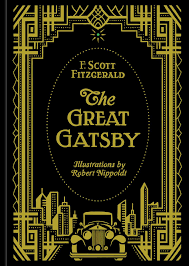
Genre: tragedy/ historical fiction
Themes: The American Dream, riches, romance
What to Read: A short but gorgeous novel that serves as a critique and ironic tale of the American Dream told through Jay Gatsby’s sad story.
Overview: The story revolves around the millionaire Jay Gatsby and his undying hope and belief of rekindling a past love; Daisy Buchanan. Narrated by Nick Carraway, a Yale graduate who shows up on Long Island and meets Gatsby soon after he develops into his neighbor. Gatsby tries to get back Daisy (married to the despicable Tom Buchanan) by throwing parties and flaunting his wealth. It is a story of the American Dream, social class, love and moral decay. In the end, Gatsby’s dream is catastrophic, a sense that wealth that creates these illusions is money flushed down the drain with love.
6. Jane Eyre by Charlotte Brontë
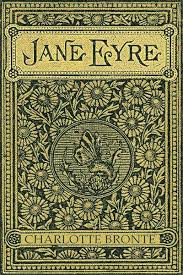
Genre: Gothic Romance
Themes: freedom, ethics, passion
Why Study: Jane faces many demanding situations and maintains transferring on, part due for her brilliance and section due to your fortitude of person progress.
Overview: Jane Eyre is referred to as a Bildungsroman, a novel that traces Jane’s development from childhood to adulthood. Turned away by her cruel aunt, Jane survives Lowood School to become a teacher that has betrayed friendship but the chance of an education. After growing up, Jane becomes a governess at Thornfield Hall where she weakens to Mr. Rochester, the enigmatic and windswept master of the manor.
7. Crime and Punishment by Fyodor Dostoevsky
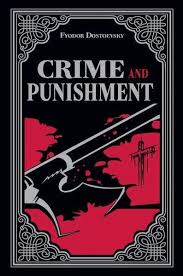
Genre: Fiction / Psychological
Themes: Guilt, Morality, Redemption
Why Read: An engaging, dark psychological novel that explores morality, guilt, and the human conscience.
Overview: By Fyodor DostoevskyCrime and Punishment: a novel in six parts with an epilogue is a psychological-cum-detective novel by Russian novelist Fyodor Dostoyevsky. The book dives into his ethical crisis, catalyzed by a savage murder; he kills truly evil pawnbroker under the impression that this will improve society. But Raskolnikov finds himself eaten away by guilt and paranoia, suffering from severe psychological turmoil.
He exemplifies her crime experience with other characters in Raskolnikov’s life, and with Sonia who will become some kind of an ethical advisor to him. Moreover, the novel is a profound inquiry into themes of redemption and morality as well as questions on what should be the function of justice — showing Dostoevsky at its height in exploring the depths of human psyche.
8. The Catcher in the Rye, by J.D. Salinger
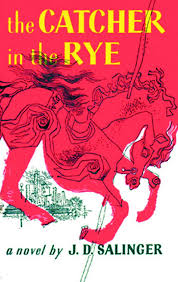
Genre: Coming-of-Age, Realist Fiction
Themes: Alienation, innocence, identity
Why Read: A classic of teenage rebellion and angst, helping us to understand the maelstrom that is adolescence.
Overview: The Catcher in the Rye Published: 1951 The story of Holden Caulfield, a disenfranchised and disillusioned teenager who roams around New York City after being expelled from his prep school. It deals with the teenage rebel and wanting to grow up (or fear of growing up); at its heart, it is about identity. Using Holden’s cynical and sometime confused voice, the novel reflects his wish to save children from corruption but also presents the harshness of adult life. The story of the demiurge continuing its game, reflecting on itself through the eyes of sympathetic characters embodies timeless themes that have been politically and philosophically motivated readers for generations.
9. Wuthering Heights by Emily Brontë
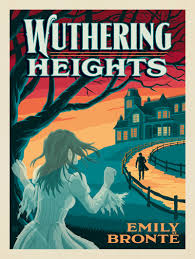
Genre: Gothic Fiction-The Postman Always Rings Twice LONDON – MAY 14: A still from the film ‘The Postman Always Rings Twice’, circa 1981.
Why Read: A dark and atmospheric novel of love and revenge in the forbidding landscape of 19th century England.
Overview: Written by Emily Bronte, Wuthering Heights is a passionate and very dark story set on the Yorkshire moors, and in particular one night of terror in 1802 when Heathcliff arrives from Liverpool and seeks refuge at the home of Mr. Earnshaw (Jim Carter) who lives with his son Hindley (Lee Shaw) and daughter Catherine (Sarah Smart). Their obsessive love and its devastating aftermath culminate in the same…terror for two generations of the Earnshaws a goodand short summary will be a happy foreach dar person form Linton lineages.
10. Frankenstein — Mary Shelley
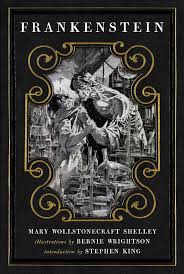
Genre: Gothic Sci-fi
Themes: Creation, Responsibility, Isolation
Reason to Read: A common contender as the very first science fiction story, Shelley tackles ambition combined with loneliness and our insatiable need to look into what only gods have looked before in her magnum opus.
Overview: Frankenstein or The Modern Prometheus is a gothic novel that tells the story of Victor Frankenstein, an young scientist who creats a new being from an unorthodox scientific experiment. With ambition, knowledge and a cold heart, Victor constructs a creature of body parts only to disgusted by his own creation so he disowns the monster. Becomes bitter, rejected by society for his appearance and sets out on a quest to take vengeance on Victor causing tragic events.
It examines such themes as the dangers of unchecked human ambition, the responsibilities of a creator for his creation, and the sustainability of isolationism and prejudice. It asks moral questions about the nature of scientific discovery, the human condition, and is one of the most important Sci-Fi works in history.
11. Brave New World by Aldous Huxley
Genre: DystopianAL Fiction
Key themes: Technology, power, liberation
What to Read Next: If you love good dystopian books and are captivated by a bleakly satirical future ruled over by technology and societal conformism, here is your next read!
Overview: Brave New World is a dystopian novel, a tale that takes place in a world of the future where technology has reign supreme and technics as well as biological stratagems have been designed to operate relentlessly so that order can be kept. It contrasts the need for stability and happiness in the World State by sacrificing individuality, emotions, and free will. In this world, people are bred then conditioned from birth to abide by their societal caste.
The story of Bernard Marx, an Alpha who does not fit in and John the Savage, the first ‘natural man’) raised outside of this controlled society. The book demonstrates themes of dehumanization; and the harms of conformity, and what it would mean to develop significantly advanced technology at the price of losing individual identity.
12. Anna Karenina by Leo Tolstoy
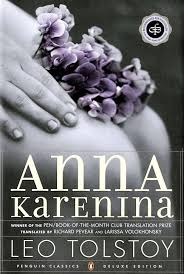
Genre: Realist Fiction
Themes:Family, Love, Society.
Why To Read: This classic novel about love and adultery in Imperial Russia by Tolstoy becomes an emotional tale which Penetrates the soul more deeply than any other book.
Overview: Set in 19th-century Russia, Leo Tolstoy’s classic novel Anna Karenina follows the life and tribulations of its title character over several years. Parallel Storylines: The Tale.NonNull Follow the life of Anna Karenina, an aristocratic woman who is married and secure by all appearances, but she stirs passions vis a vis Count Vronsky that turn into social and personal tragedy.
The other being the story of a landowner, Konstantin Levin explaining his spiritual and philosophical turmoil as he goes through life among women cant be excluded. Infidelity, the city and village in comparison,and the Russian aristocracywho lead double lives and strain after their happiness as they sleepwalk through life, it’s all addressed here. While Anna is destroyed by her passionate disobedience of society, Levin has a story in which the future looks brighter: he re-establishes equilibrium through personal integrity and closeness to the soil.
13. One Hundred Years of Solitude, by Gabriel García Márquez
Genre: Magical Realism
Themes: Time, fate and Family
Why Read: This epic novel that takes place over multiple generations, and its realistic/fantasy portrayal of Latin American history, culture, compelling.
Overview: One Hundred Years of Solitude is the story of an isolated family village, Macondo, and becomes an allegory for Latin American experience. Labyrinths It is the continuation of a saga that narrates the life of the Buendia family over seven generations in Macondo, their name but based on fantasy world which was founded by José Arcadio Buendía. Thematically, novel deals with time, history, memory and isolation bringing together the magic of imagination and prosaic idleness.
In the rise and fall of Macondo, as also in the retreading archetypes of the Buendía family — similar personality traits of family members, naming conventions and fate come round on us time and again in their lives. Central to the novel is magical realism, an element that underpins extraordinary events and interweaves them into everyday life. The book demonstrates the downfall of the town and family due to their inescapable doomed past, or isolation from beyond.
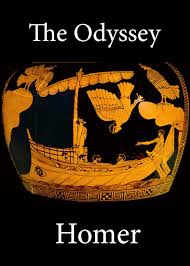
14. The Odyssey by Homer
Genre: Epic Poetry
Themes: Heroism, adventure and perseveranc
What To Read: Early and influential work in Western literature, the odyssey provides an epic journey of myth, adventure, and human struggle.
Overview: The Odyssey by Homer is an Ancient Greek epic poem The odyssey recounts the adventures of its hero, Odysseus, on his way home from the Trojan War. The poem starts ten years after the war, with Odysseus still unable to return home, stranded on the island of Ogygia with the nymph Calypso. Back in Ithaca, his wife Penelope and son Telemachus must fend off a group of suitors who have turned their home into a pigpen where they lik take your woman by force as husband to the alleged widowed bride.
On, Odysseus faces wandering the Cyclops, dealing with the offerings of Sirens, and contesting with Poseidon. Odysseus does eventually make it back to Ithaca, regaining his home and family by slaying the suitors and reuniting with Penelope. It turns around common, but always reverent themes of staying power; true loyalty; and the might of a sharp wit over brute strength.
15. Fahrenheit 451 by Ray Bradbury
Genre: Dystopian Fiction, Sci-fi
Themes: Censorship, Knowledge, Freedom
Why Read: Bradbury’s vision of a bookless future speaks powerfully to our time when books not burned are simply forgotten.
Overview: Fahrenheit 451– a dystopian novel that presents the society in a near future where books are banned and “firemen” burn any that they find. Based on the novel by Ray Bradbury, the film tells a story of a fireman named Guy Montag, who decides to abandon his profession and find out why book burning should be done. In part due to his ongoing encounters with his free-thinking neighbor, Clarisse and a series of events which point out he own discontentment Montag begins to lose faith in the oppressive regime.
Rebelling against the status quo, Montag searches for learning and becomes a member of an enclave that devotes itself to saving books. The book touches on the topics of censorship, oppression by government, and the importance of knowledge.
Tips for Getting Started:
Be Passioante:** Select a genre or an interesing topic which attracts you.
Move at your own pace**: Reading classics is intense, retreat.
Mix and match: Read novels of varying lengths.
These books range the gamut of human experience and thought. There are many different themes and modes of storytelling with cultural nuances that make them classics.
Happy reading!
